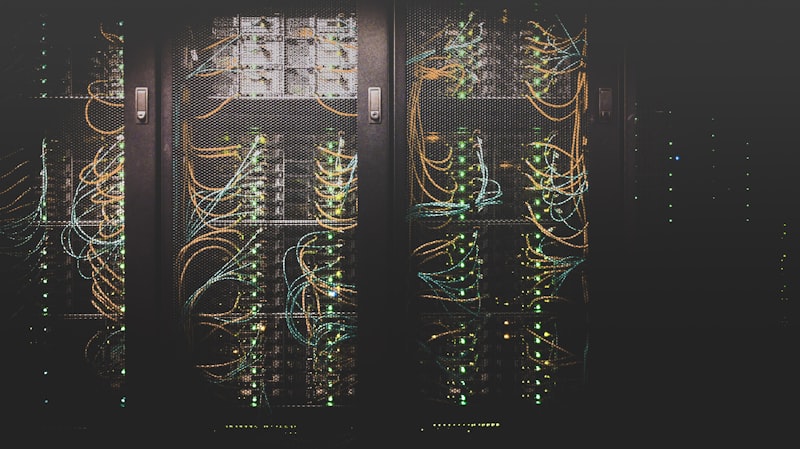
Image Source: Generated by GLOBALTECH via Stable Diffusion
The global digital infrastructure relies entirely on modern encryption to secure everything from bank transactions and military communications to private database integrations. However, the rapidly approaching reality of quantum computing poses an existential threat to this foundation. Because quantum computers can process complex mathematical calculations at speeds unimaginable with classical supercomputers, they will easily shatter today’s strongest security standards. To prevent a catastrophic global data breach, the tech industry is racing to implement Post-Quantum Cryptography (PQC).
The Threat of the Quantum Apocalypse
Traditional encryption systems, such as RSA and ECC, secure data by utilizing mathematical problems that would take standard silicon computers thousands of years to solve. However, a sufficiently powerful quantum computer using Shor’s Algorithm can bypass these defenses in mere minutes.
Cybersecurity experts call this impending vulnerability "Y2Q" (Year to Quantum) or the Quantum Apocalypse. If hackers or nation-states develop operational quantum hardware before the tech industry updates its security protocols, every encrypted database in the world will instantly become accessible.
Why Post-Quantum Cryptography is Urgent
Transitioning to Post-Quantum Cryptography is no longer a futuristic consideration; it has become an immediate operational priority for three critical reasons:
1. Countering "Harvest Now, Decrypt Later" Attacks
Malicious actors and foreign intelligence agencies are currently executing a strategy known as "Harvest Now, Decrypt Later." They are actively stealing and hoarding massive amounts of highly classified, fully encrypted data from corporate networks and governments today. While they cannot read the files right now, they are saving them until quantum computers become available to instantly unlock the secrets in the near future.
2. Rebuilding the Trust Framework of Global Banking
The international financial network functions entirely on the absolute certainty that encrypted data streams cannot be manipulated. Post-Quantum Cryptography introduces entirely new mathematical frameworks, such as lattice-based cryptography, which are intentionally designed to be complex enough to defeat both classical supercomputers and advanced quantum algorithms simultaneously.
3. Massive Enterprise Migration Latency
Upgrading the security architecture of a multinational corporation or a global cloud network takes years of meticulous planning, testing, and execution. Legacy software must be rewritten, outdated hardware must be replaced, and new protocols must be integrated seamlessly. Starting the migration to PQC today is the only way to guarantee that enterprise defenses are fully operational before quantum threats become commercially viable.
Conclusion
Quantum computing will undoubtedly unlock incredible breakthroughs in science and medicine, but its weaponization in cyber warfare could paralyze our hyper-connected world. Post-Quantum Cryptography is the essential shield required to safeguard the future of the digital economy. By proactively adopting quantum-resistant standards today, technology developers ensure that confidential information remains permanently secure in the advanced computing era.


No comments:
Post a Comment